Rohtasgarh Fort - One of the Largest Forts in the Whole World.
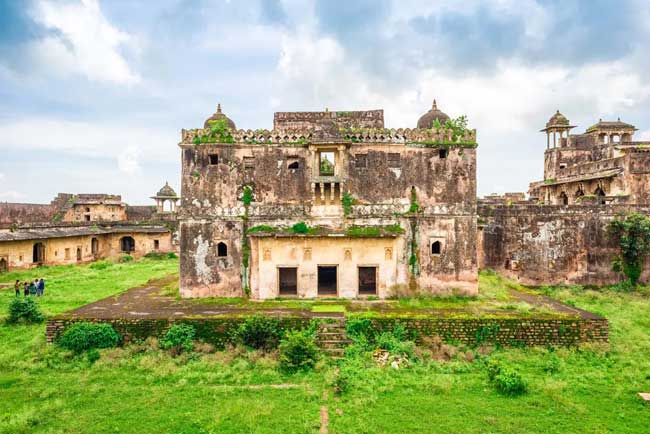
Rohtasgarh fort, one of the largest forts not only in India but in the whole world, is spread over a radius of 26 miles. Rohtasgarh Fort is a grand medieval structure known for its strategic importance in Indian history. Built by Raja Harishchandra and later strengthened by Sher Shah Suri, the fort remains a marvel of military architecture.
The Rohtasgarh fort is constructed on a plateau over the top of a hill with steeply rising sides. The steps directing to the fort are cut into limestone of the hill. Thick forests and wild animals surrounded the hill providing natural barriers and dacoits provided other man-made barriers in the past. Thus, the fort which was believed to be invincible, could not be taken by force but only by means of deceit.
The fort complex includes gates, palaces, temples, and reservoirs, showcasing Indo-Afghan architectural styles. Despite its current ruins, it remains a popular trekking destination for history enthusiasts.

The name of this area was named Rohtas by Rohitashva, the son of Satya Yuga Suryavanshi king Satya Harishchandra. The legend of Harish Chandra, king of the solar race is well known. It is believed that his son Rohitaswa spent his time in exile from the kingdom at Rohtas, and also married a local tribal lady here.
Since ancient times, there have been only four routes in all four directions to reach Rohtas hill, which are called Ghats. From these ghats (paths) the enemies could not easily come up and the guards kept on, due to which the gates Mendara Ghat in the East, Kathoutia Ghat in the West, Ghoda Ghat in the North and Raj Ghat in the South have been made here.

The Rohtasgarh fort is situated at about 1500 feet above sea level. There are about 2000 odd limestone steps at Medha Ghat meant for the most common mode of ascent to the fort on foot at present. For the visitor they are an exhausting climb of an hour and a half. At the end of the climb, a dilapidated gate with a cupola can be seen, which is first of several provided for well-guarded entrances to the fort. From here we have to walk another mile before the ruins of Rohtas fort can be seen.
A lovely waterfall is seen during the rains, which falls over the fortifications, and is mesmerizing to watch and hear from a distance.
Best Time to Visit: September to April.


 EN
EN  German
 Spanish
 French